Format five · the reason
Why I
podcast.
Because I got tired of conversations that stopped the moment they got interesting.
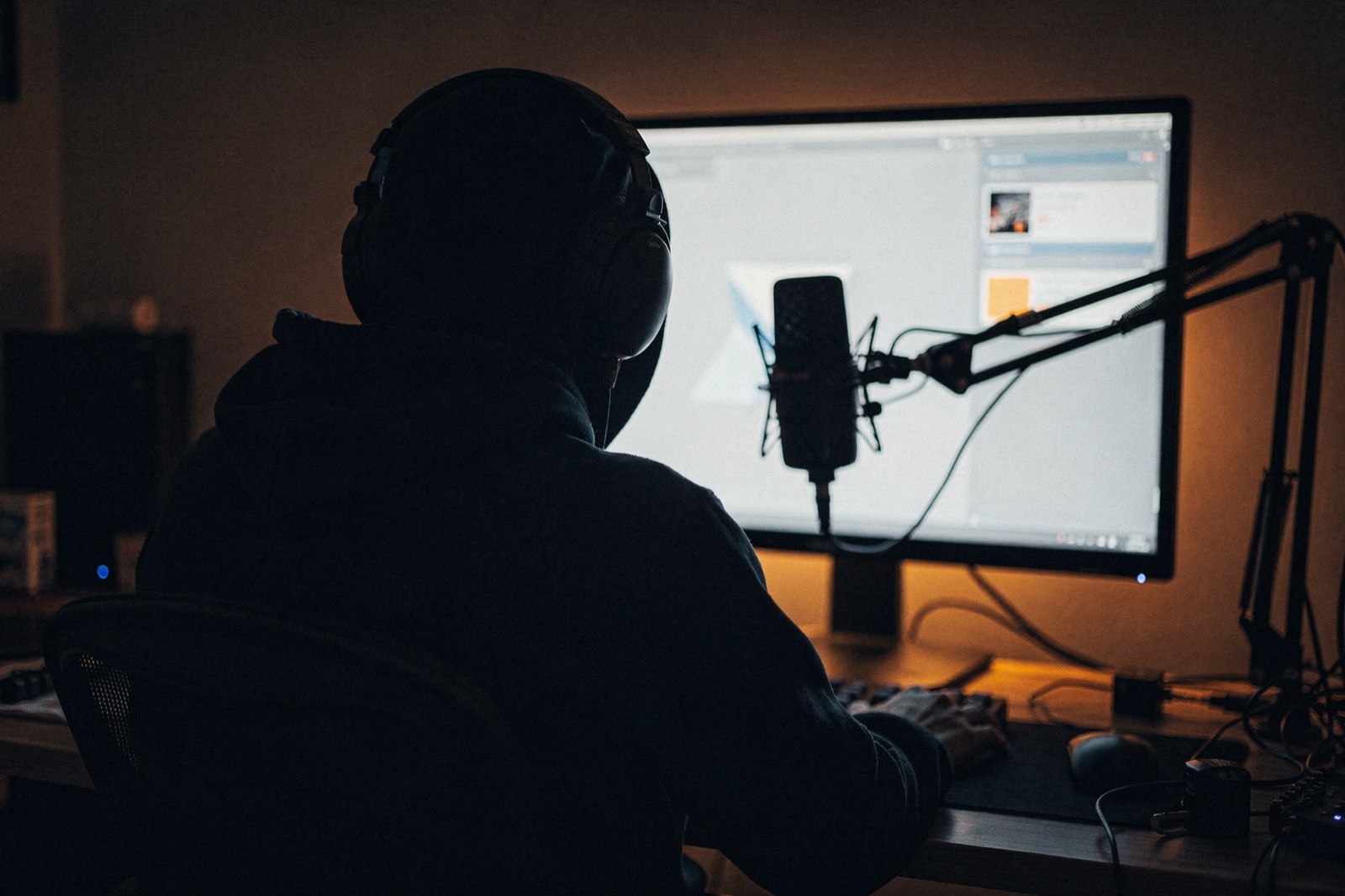
It started as
a complaint
Six years ago I sat through an interview with somebody I had wanted to hear from for a decade, and it ended at thirty-eight minutes because that was the slot. They were, at the time, mid-sentence.
So the first rule of this show was written in irritation: it ends when the conversation ends. Everything since — the live rooms, the solo takes, the buildings — came out of that one rule meeting reality.
There are no advertisements on Room Tone and there never have been. Not out of principle, particularly. It is that a break has to go somewhere, and every place I tried to put one was in the middle of something.
How it got here
| Year | What changed | Episodes |
|---|---|---|
| Year one | A borrowed microphone and a spare room. Twelve listeners, eight of them related to me. | 1–22 |
| Year two | First guest who said yes without knowing me. Still the most nervous I have been. | 23–61 |
| Year three | Took it out of the house for the first time. The mill floor episode. | 62–98 |
| Year four | First live room. Learned that an audience changes what a guest will admit. | 99–142 |
| Year five | Started the solo takes, as filler. They became the most-written-about ones. | 143–186 |
| Now | Six years, forty-one buildings, no advertisements. | 187–214 |
That is the whole pitch.
A show that stops when the conversation does, recorded wherever the conversation actually is.
SubscribeWhy I podcastButtons are inert on this demonstration — there is nothing to subscribe to.